
About
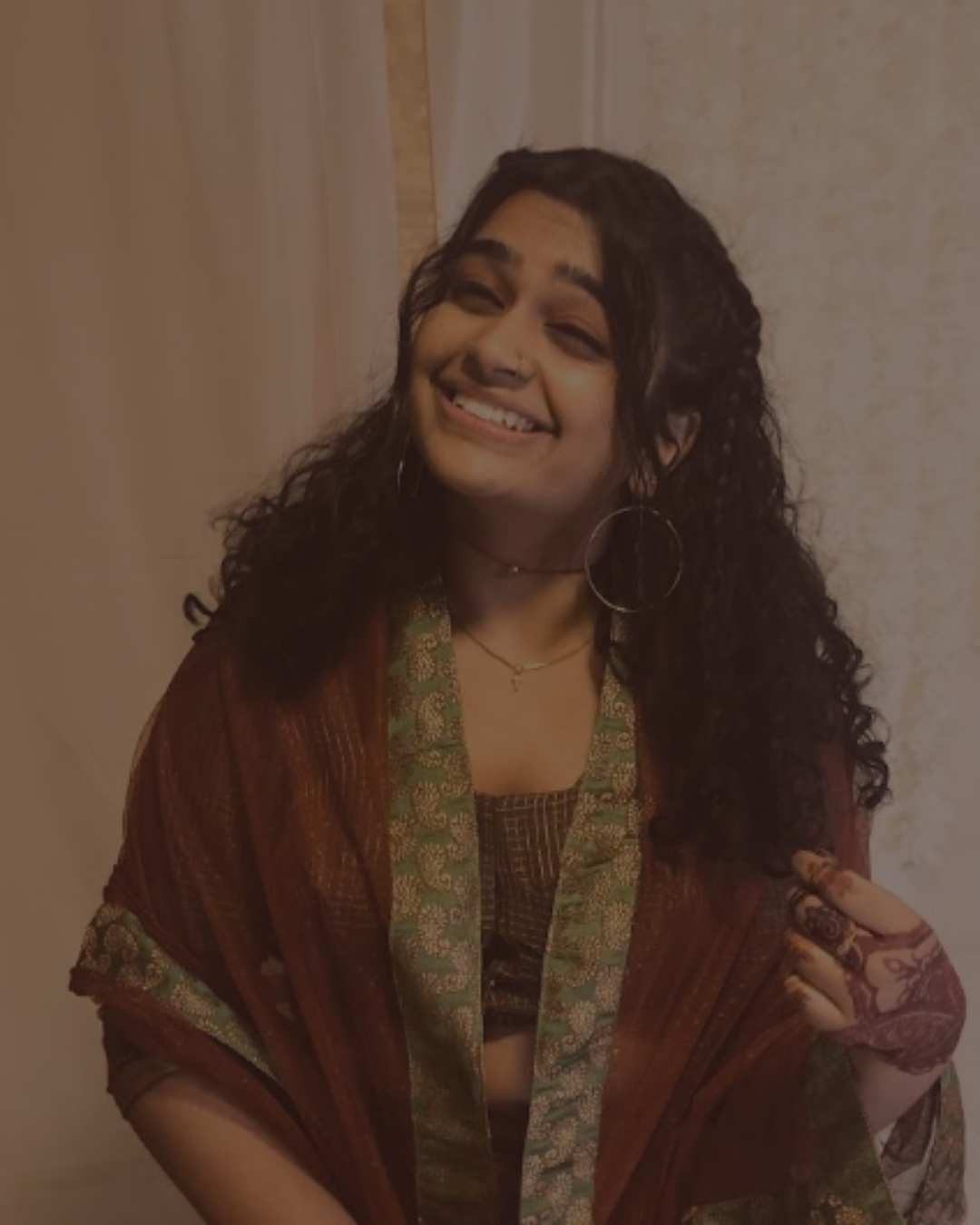
Diya Antony, MSW Intern Therapist
We live in a society that constantly makes assumptions about us, who we are, what we feel and how we should show up. Yet so much can exist beneath the surface: unseen identities, experiences, and parts of ourselves that others may never know. I’m currently a second-year master’s of social work student at NYU and I’m passionate about exploring it all.
Sometimes, it isn’t just about us. The systems around us can make it harder to be understood, access support, or feel like there is space for who we are. I care about supporting people who have felt unseen, including BIPOC clients, people navigating grief, chronic illness or chronic pain and anyone whose experiences don’t fit neatly into what others expect.
In my work, I am here for all the vibes! Anger and tenderness, grief and joy, numbness and curiosity, and everything in between. We’ll pay attention to what you’re feeling, where it comes from and how you may have learned to express or hide it. Together, we can explore what feels true to you, and what you want to make space for moving forward.
You deserve to be seen as you are and become curious about who you want to become!
DBT
Building skills to navigate intense emotions, tolerate distress, and strengthen relationships. I value understanding and validating what you're feeling before exploring new ways to respond.
My Approach:
Mindfulness
Exploring ways to notice thoughts, emotions, and bodily sensations without judgment. Mindfulness can look different for everyone, from grounding exercises to movement and everyday moments of awareness.
Neurodivergent tools
Every brain is different. Finding practical, flexible strategies for executive dysfunction, planning, organization, and sensory needs. The focus is on building systems that work with your brain, energy, and capacity rather than forcing yourself into expectations that don't fit.
Decolonial Practice
Making space for the ways culture, identity, history, and systems shape our experiences of wellness. This means questioning whose knowledge is valued, acknowledging the roots of healing practices, and approaching care with cultural humility rather than a one-size-fits-all lens.